Virtus Invicta presents · In Hoc Signo Vinces
World of Aerth
A tabletop roleplaying game of steam, stone and sanctity, set in a Britannia rebuilt upon the ruins of the Apocalypse, and of the demons, spirits and restless dead that press against its lamplight.
The roleplaying game
Britannia has risen again. The dark never left.
In Hoc Signo Vinces (IHSV) is a tabletop roleplaying game from Virtus Invicta. Its setting, the World of Aerth, is Britannia in the year 4621, nearly two thousand years after the Apocalypse broke the old world. Britannia has clawed its way back: airships moor at the masts of London, Cambridge assays and certifies machine-stone behind its White Walls, and a Treaty-King rules from Westminster through ministers, Great Houses and a Church whose rites still hold the dark at a measured distance.
Recovery is not safety. Beyond the lamplit districts lie flooded roads, lapsed parishes and ruins no surveyor will name. Demons wait at every breach, patient for panic and the wrong bargain. Spirits hold fords and coppices by pacts older than the Crown, and punish the village that forgets them. When the ground thaws the manors hire dog handlers against the walking dead, grave dogs dig wherever burial has failed, and blight creeps along the verges into crop, water and dream. In the cities, necromancers, bone brokers and demon-callers trade in arts the law punishes with the rope.
Civilisation holds because people hold it: wardens and watchmen, priests and pilots, witch-hunters and customs men. And it holds because companies of the bold are paid to go where they cannot.
You play one of those companies. Take a commission from a Cambridge assay house, a London bishop or a harbour court. Cross the Narrow Sea under warrant, go down the Nightstairs into the undercity, or ride north into the Marches, where the Crown’s writ thins to rumour. Carry steel, powder, a sanctified lamp and a warrant, and decide which of them to trust when the lamp gutters.
What waits beyond the lamps
Demons
Invasive and corrupting, they seek breach and panic and the collapse of rightful order. They delight in opening what law and custom have painfully sealed, and they are patient.
Read more →Spirits
Powers of ford, wood, well and hill. Some are predatory, some merely dangerous neighbours, and some can be made stern allies by pact, discipline or sanctified concord. None forgets a broken bargain.
Read more →The Restless Dead
The realm treats the walking dead as a season rather than a wonder: revenants rise on bad ground after the thaw, and the manor accounts budget for them beside the wolves.
Read more →Ghouls
The manuals’ word, which nobody in the country uses. In the parishes they are corpse eaters and grave dogs, and a failed burial is an open invitation.
Read more →Blight and Corruption
A wrongness in water, crop, weather or dream. Land sickens, herds turn, sacred forms sour, and a district that looks secure on a charter can be lost in a single season.
Read more →The Nameless and the Forbidden
Necromancy, summoning and infernal traffic are hanging matters, which keeps the trade profitable. And some things have no lawful name at all: the common word is vampire, and no court in the realm will write it down.
Read more →Seven volumes, one realm
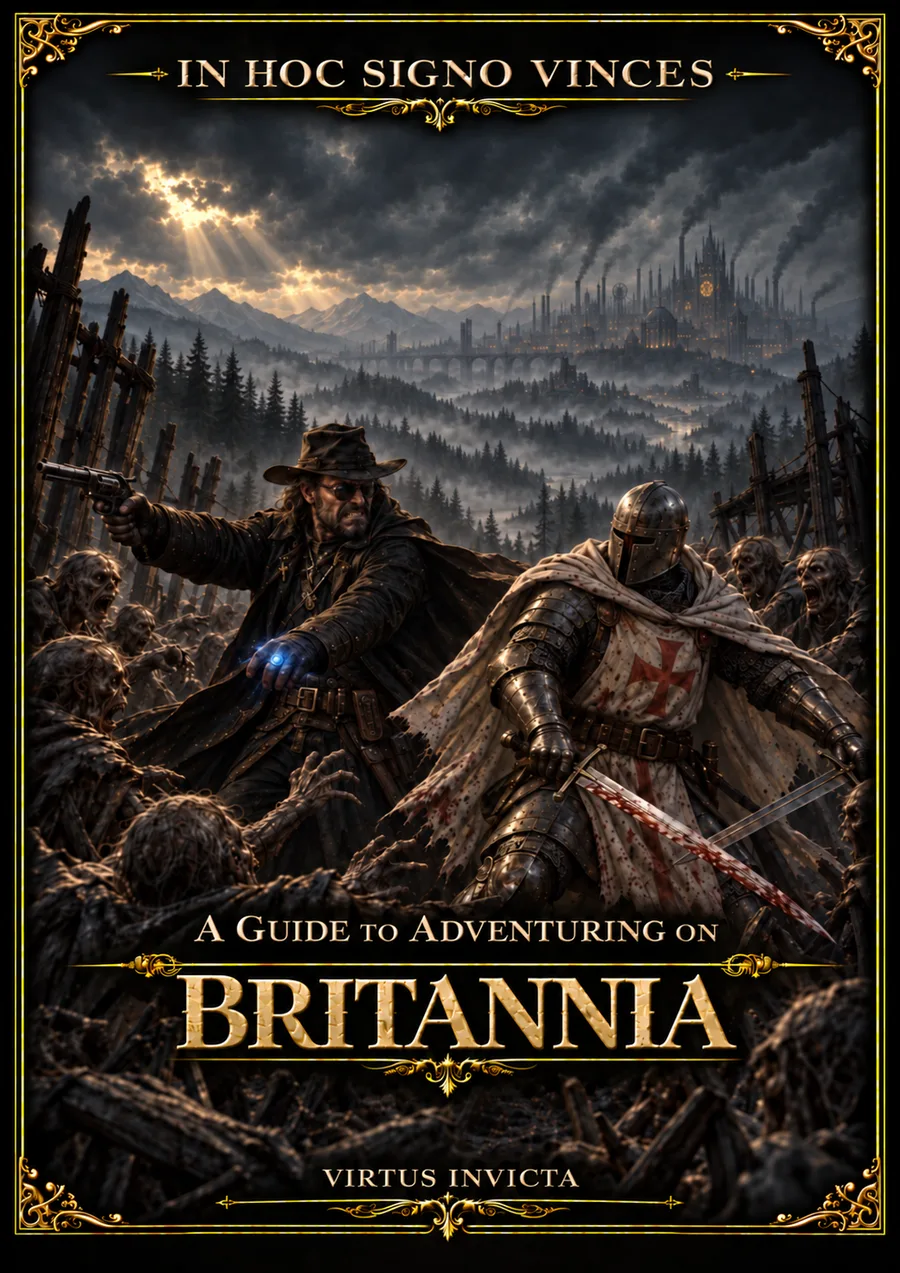
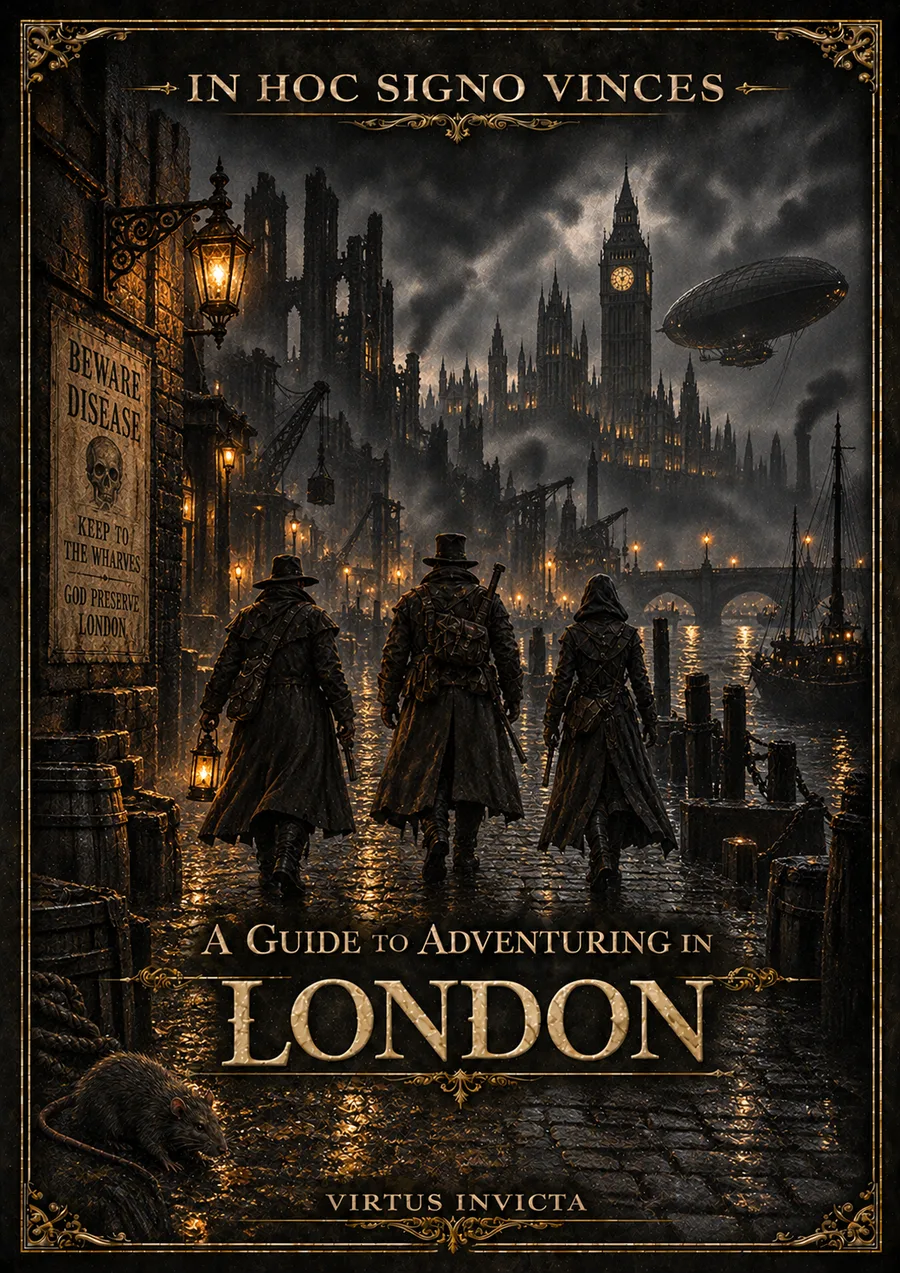
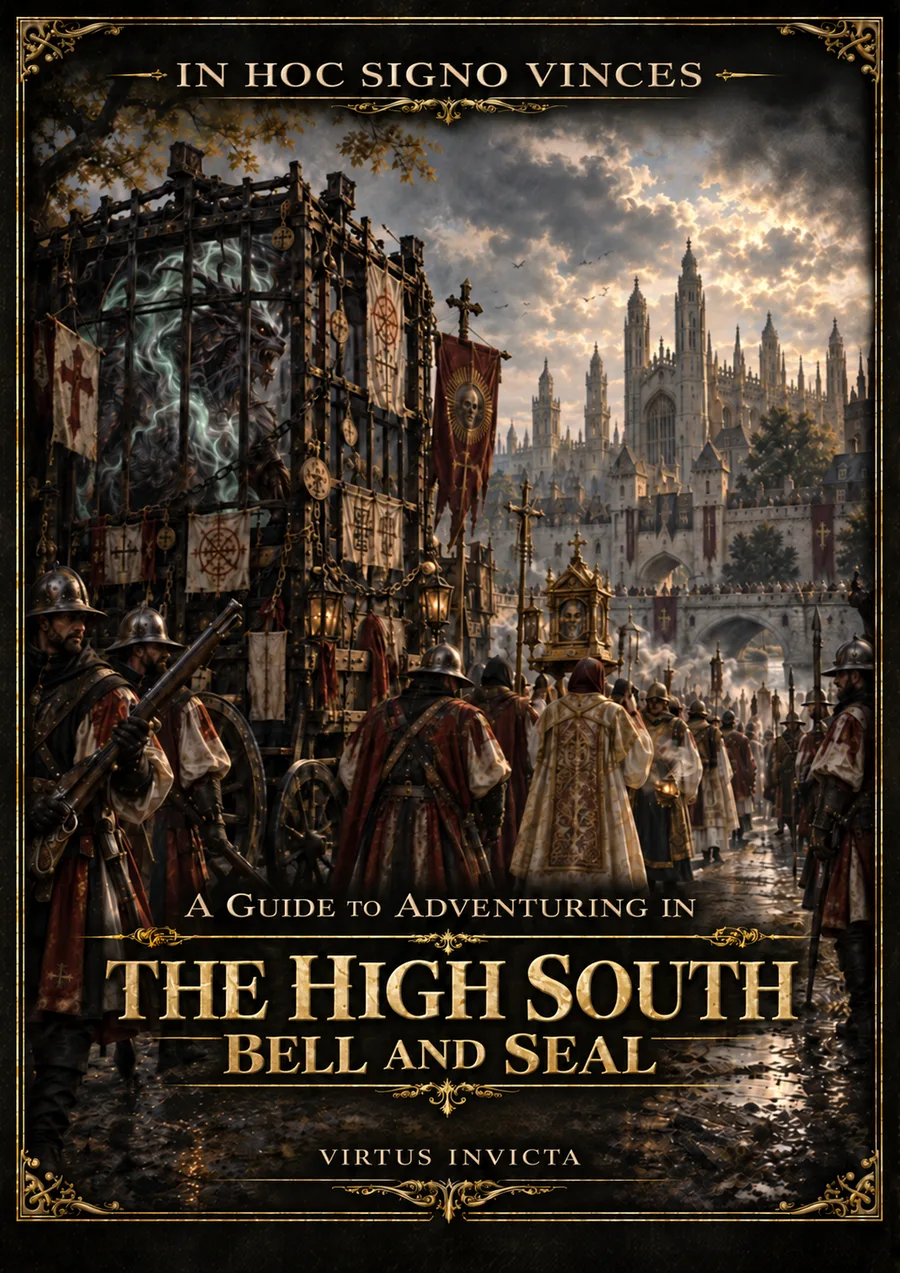
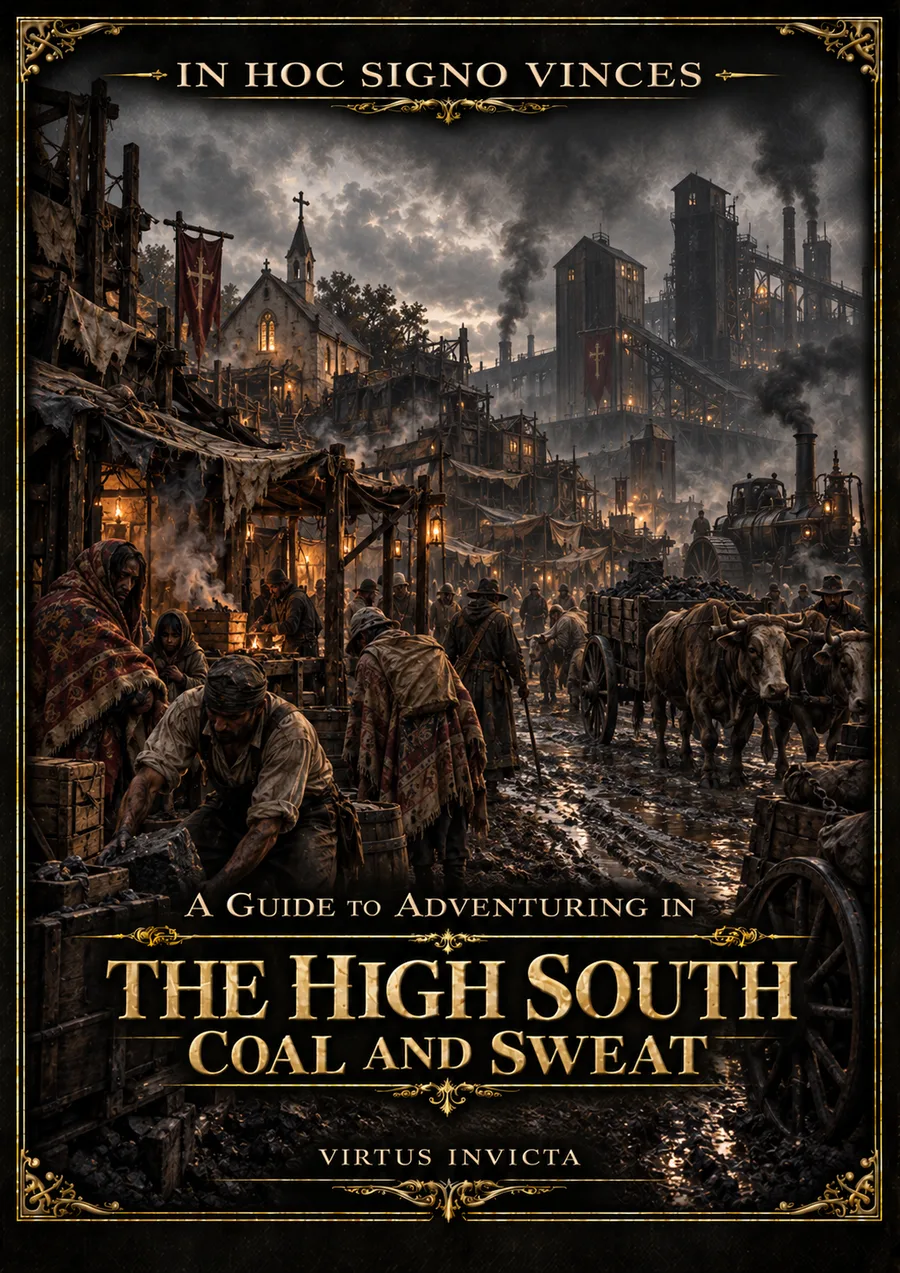
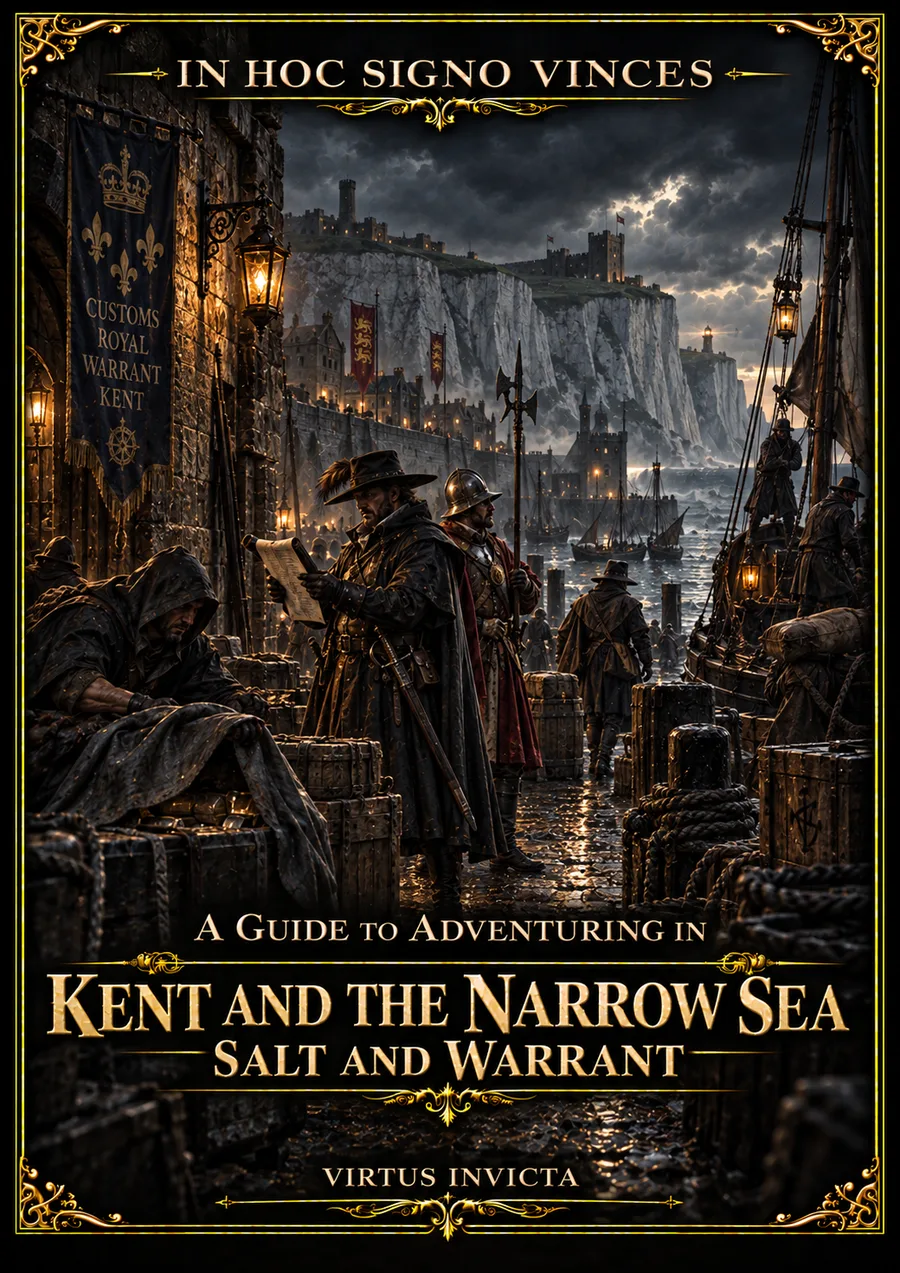
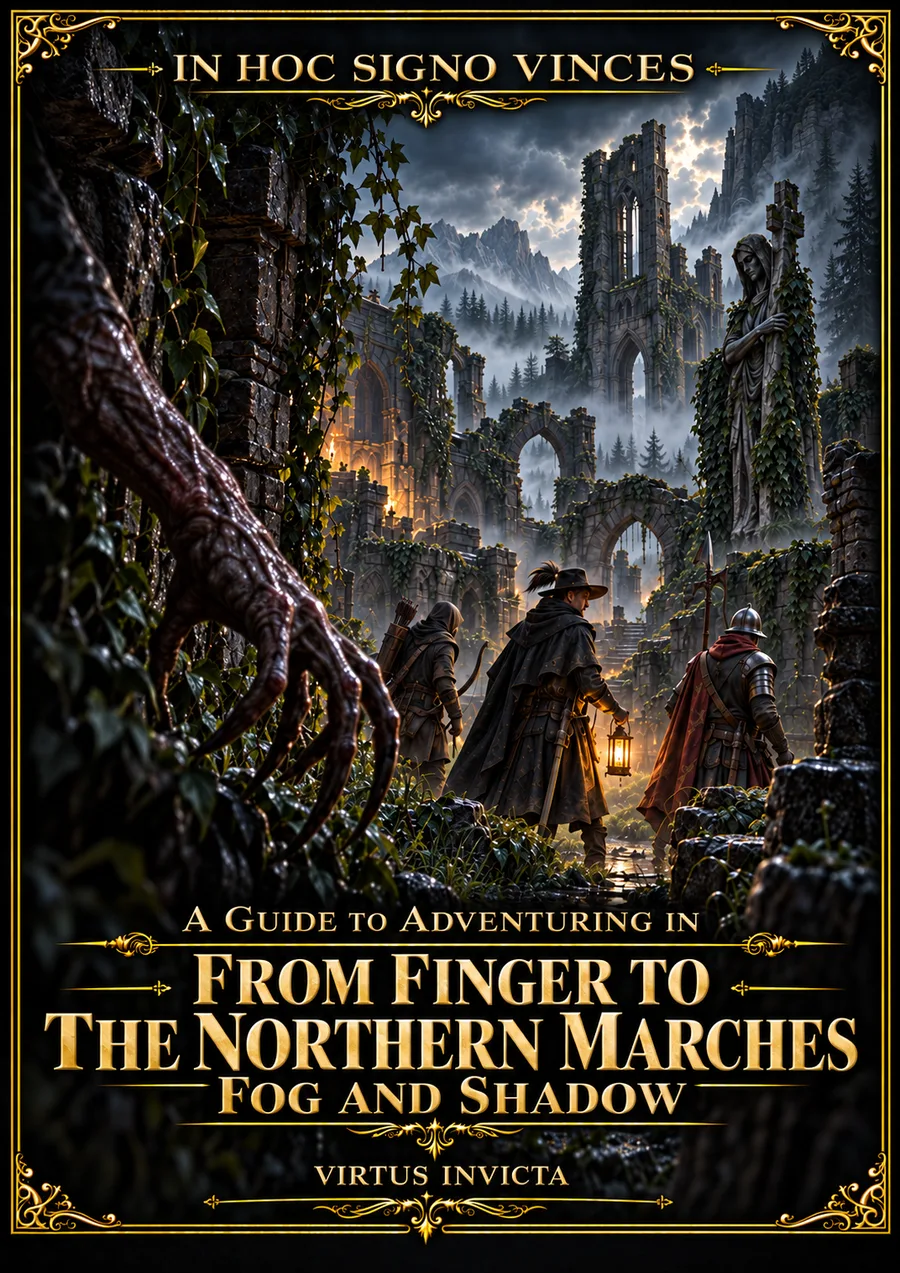
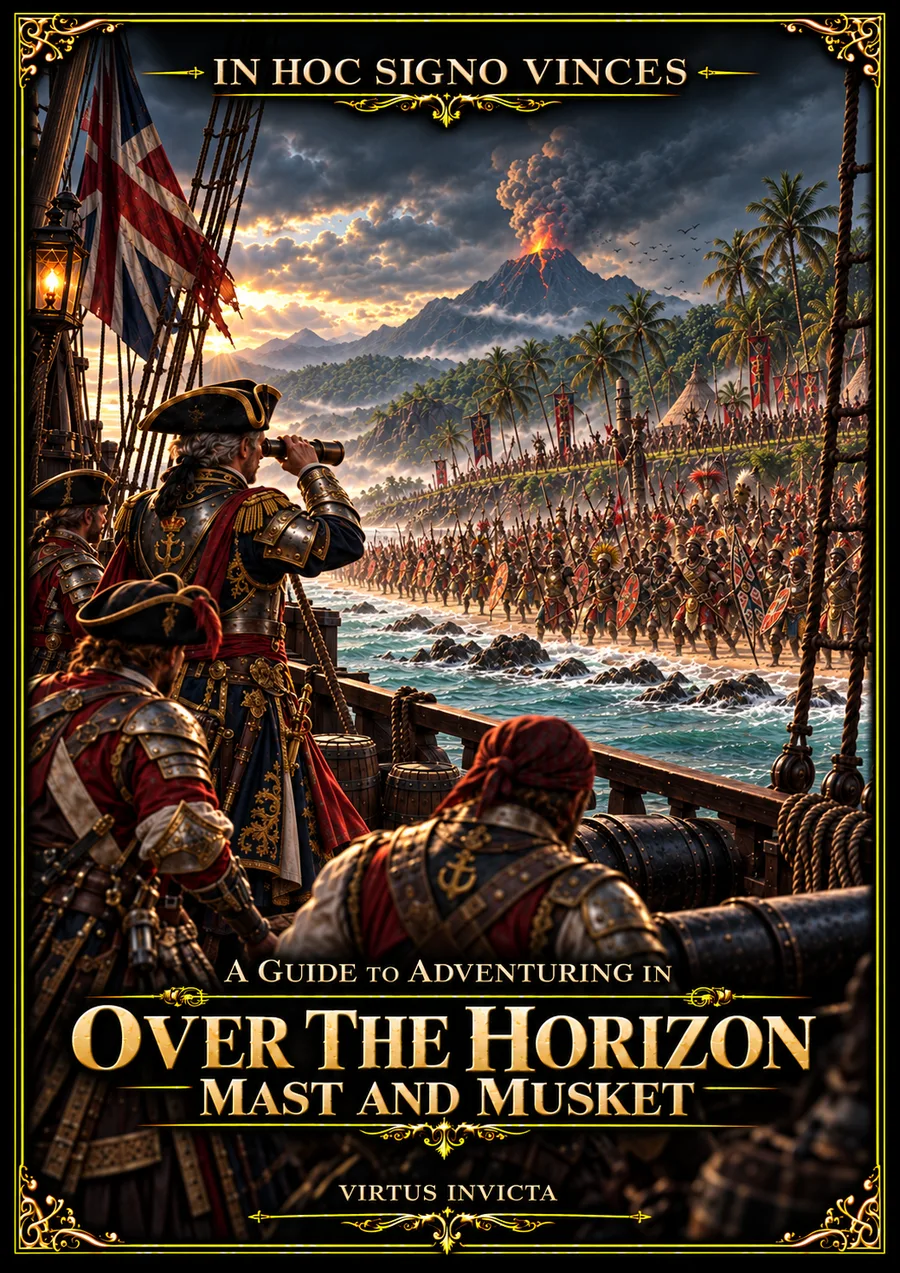
From the Guide to Britannia to Over the Horizon: London street by street, the colleges of the High South, the coal city of Sarrum, the Kentish gate, the Northern Marches and the world beyond the water.
The books →A society with a face
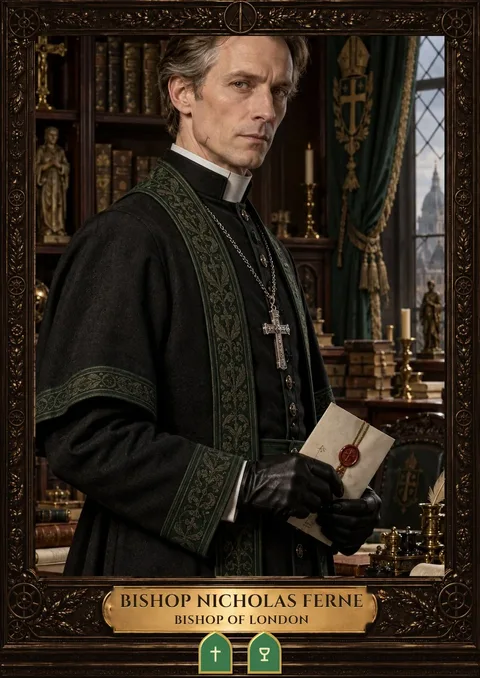
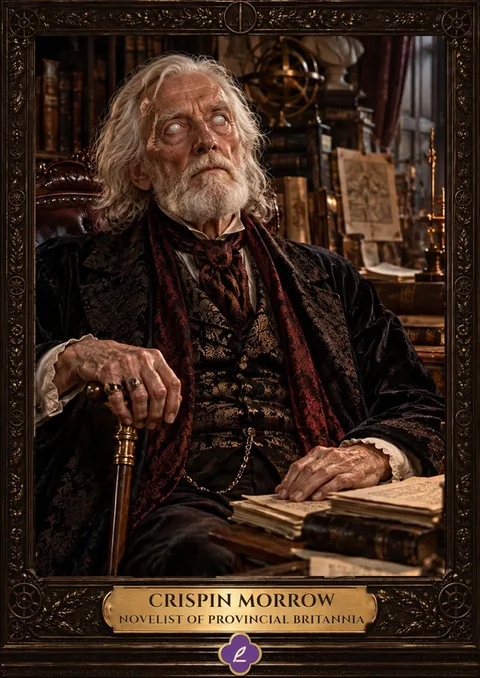
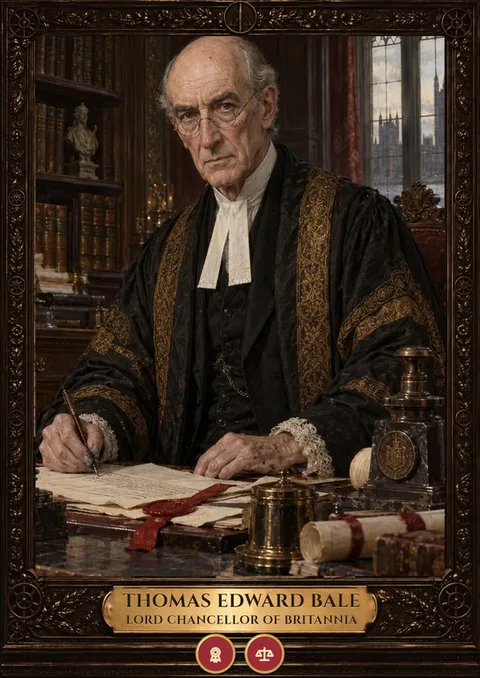
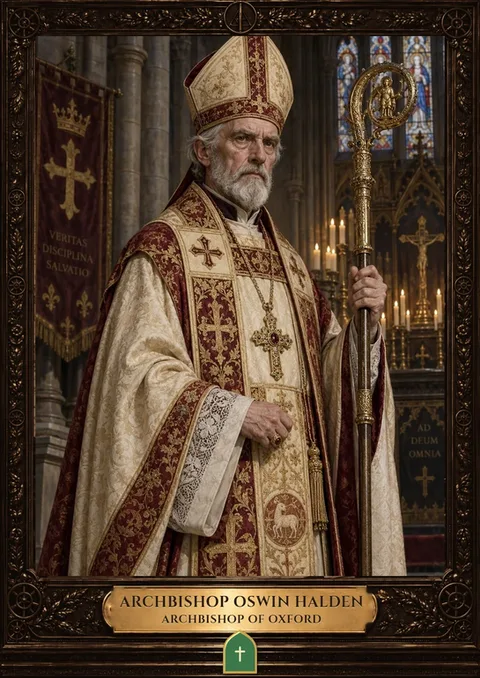
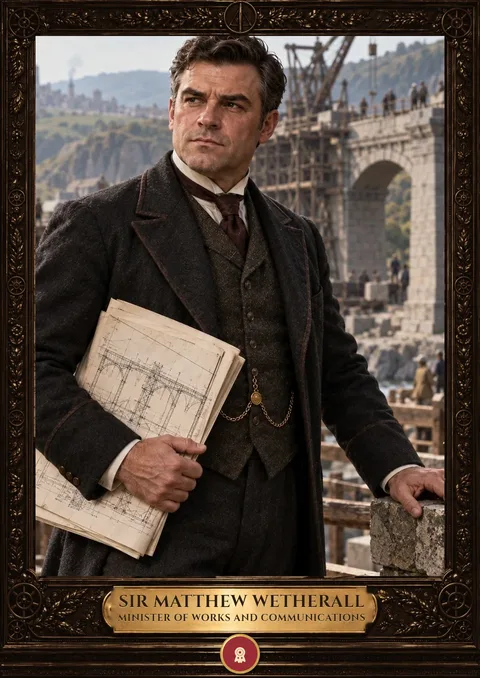
Kings and dukes, ministers and guild wardens, bishops, harbourmasters and syndicate men: more than a hundred named figures, each with a portrait and a place in the world.
Meet the people →Steam, stone and sanctity
Brass engines, lift towers and airships stand beside shrine roads, burial lamps and wardings. Magic comes in three kinds: pact-bound spirit craft, the Church’s rightful rites, and arcane work that the realm admires and watches. Each is a tool of survival, and none is ever quite enough.
Explore the world →For players and Game Masters
Read the world freely here. Members enter the Players’ Hall; Game Masters keep their own counsel behind a locked door.
Enter the Hall →“You know the character of the world when a lit tram street ends at a shrine gate no watchman will cross after dusk. Recovery here means not peace, but the managed coexistence of civility, fear, and older survival. Every polished district is held in place by labour spent against conditions that never fully withdrew.”
What Aerth is · from the Guide to Britannia
Aerth is a world of resurgent civilisation built inside the wreckage of older, greater, and spiritually ruined ages. The best districts of the present age can be handsome, learned, wealthy, efficient, and technologically impressive. They can also be visibly dependent upon conditions their inhabitants only partly master. A bridge may be an iron marvel and still require old prayers before flood season. A river port may post printed schedules and still close certain stairs by saint-day custom because generations of dockworkers learned that one run of tide or fog makes mockery of administrative confidence.
The world is therefore neither a simple medieval realm nor a clean industrial modernity. It is a ladder of recoveries. At its upper reaches, the strongest capitals and high cities can make confidence visible. Lower down, provincial towns may be orderly, productive, and literate while still relying on shrine roads, inherited wardings, and the cautious knowledge of old families. Villages may live half in formal law and half in custom that no capital office would willingly set into open ordinance. Beyond them, deeper roughness begins.
The best first description is thus not that the world is primitive or advanced, but that it is layered. Brass and iron sit over chapel crypts and reused foundation stone. Legal notices are pasted near shrine niches. Machine halls rise within sight of graveyards. Agricultural plenty depends on weather, labour, route safety, and on older forms of spiritual peace that the state prefers to discuss only indirectly. This layering is not decorative. It is the condition in which civilisation survives.